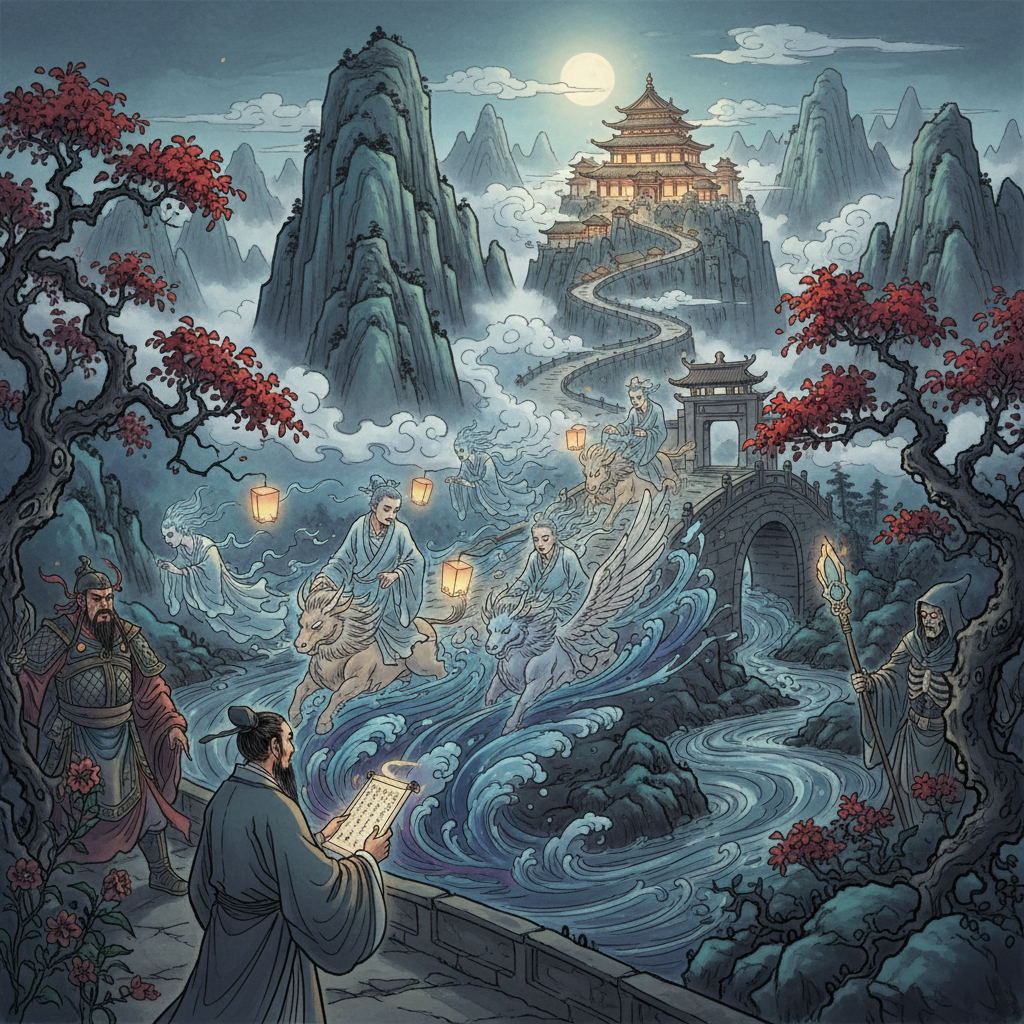
The Enigmatic World of Chinese Supernatural Folklore
Chinese supernatural folklore is a captivating blend of myths, beliefs, and practices that have evolved over thousands of years. Richly woven into the social fabric are tales of ghosts, spirits, and intricate afterlife beliefs, reflecting the Chinese understanding of life beyond the physical world. In this article, we will dive deep into these fascinating elements, exploring their historical context, cultural significance, and the rituals that accompany them.
Historical Context: Ancient Beliefs Shaping Modern Practices
The roots of Chinese supernatural beliefs can be traced back to ancient dynasties, where the concept of the afterlife was intricately linked to ancestor worship. From the Shang Dynasty (c. 1600–1046 BCE) to the present day, the reverence for ancestors has played a vital role in shaping societal values. Early Chinese texts, such as the "Book of Songs" and "I Ching," illustrate the belief that the spirits of ancestors exist and can influence the living, thereby necessitating rituals and proper respect.
Rituals commemorating the dead have been central to Chinese culture, with practices such as the Qingming Festival, where families visit graves to honor their ancestors. Such deep-rooted practices enshrine the belief that death is not an end but a transition, emphasizing a connection with the afterlife.
Ghosts in Chinese Folklore: A Diverse Spectrum
In the panorama of Chinese supernatural beings, ghosts feature prominently, often representing the souls of the deceased who have unsettled business or unresolved issues. Unlike the Western notion of ghosts as malevolent entities, Chinese ghosts are multifaceted. They can be spirits of ancestors seeking to offer guidance, or they may possess more vengeful traits, especially if their wishes were unfulfilled in life.
One such ghost archetype is the "Hungry Ghost," referenced in Buddhist cosmology. These spirits are believed to be tormented by insatiable desires, representing the consequences of greed and inappropriate actions during their mortal lives. Rituals aimed at appeasing these spirits, such as offering food and incense, are vital during festivals, illustrating the importance of harmony between the living and the spirit world.
Exploring the Afterlife: Beliefs and Customs
Chinese beliefs about the afterlife are as complex as they are fascinating, often incorporating elements from Confucianism, Buddhism, and Taoism. The afterlife is viewed as a realm of balance, where good deeds lead to favorable reincarnation, while misconduct results in harsh penalties.
The "Taoist Hell," rich with vivid imagery, is populated by various deities and demons overseeing the punishment of souls. These stories serve as moral lessons, emphasizing the importance of ethical living. Moreover, the preparation of "spirit money," or joss paper, to be burned as offerings signifies the belief that material goods can aid the deceased in their next life.
Rituals like the "Ghost Festival" highlight communal remembrance, where food offerings, theatrical performances, and spirit rituals foster a connection between the worlds of the living and the dead. Such observances emphasize the role of community and familial bonds in navigating life and death.
The Cultural Significance of Spirit Communication
Communication with spirits is a rich tradition in Chinese folklore. Mediums and shamans play a crucial role as mediators between the physical and spiritual realms. The practice of spirit writing, wherein mediums purportedly receive messages from the deceased, is both an art form and a vital aspect of folk religion.
These rituals reveal much about the cultural significance of guidance and closure. Families often seek communication through rituals to gain comfort or direction, exemplifying the persistent influence of ancestors on the family unit.
Additionally, these practices have been popularized in contemporary Chinese cinema and literature, showcasing the ongoing intrigue with the supernatural and the afterlife in modern society.
Rituals of Appeasement: Balancing the Spirit World
To maintain harmony with the spirit world, numerous rituals are performed throughout the year. Keeping altars dedicated to ancestors adorned with food, incense, and symbolic objects is common. During significant festivals, families engage in elaborate preparations, believing that the spirits visit the living world to partake in the festivities.
The act of food preparation during these times is not only an act of reverence but also a communal experience that strengthens family ties and cultural identity. Furthermore, the dissemination of folklore through storytelling helps preserve these traditions, ensuring that they endure through generations.
Conclusion: A Tapestry of Beliefs Woven Through Time
Chinese supernatural folklore, rich with ghosts, spirits, and beliefs about the afterlife, offers profound insights into cultural values and the human experience. Through various rituals aimed at honoring the deceased and appeasing spirits, these beliefs foster a connection not only with the past but also within contemporary society. As China continues to evolve, the balance between the living and the spirit world remains an essential aspect of its cultural identity, bridging ancient customs with modern life.
In navigating this intricate tapestry of beliefs, one finds a unique perspective on mortality, legacy, and the enduring ties that bind generations.