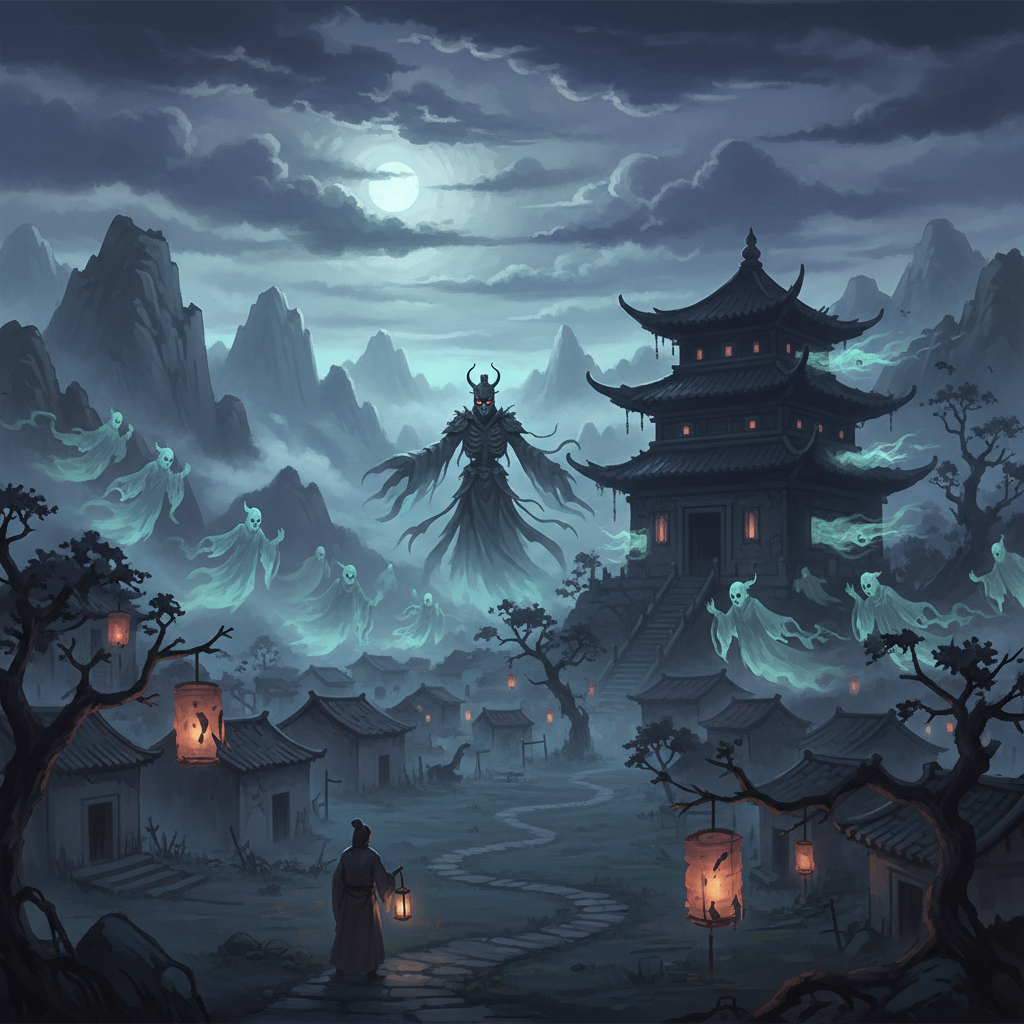
Introduction: The Enigmatic World of Chinese Supernatural Folklore
Chinese supernatural folklore is a captivating realm that intertwines the beliefs of ghosts, spirits, and the afterlife. Rich with history and cultural significance, these narratives reflect centuries of human experience and philosophical inquiries about existence. Throughout China's vast landscape, varying beliefs about the supernatural reveal the deep cultural connection to ancestors, morality, and societal values.
Historical Context: Mystical Roots of Chinese Beliefs
The essences of Chinese supernatural beliefs can be traced back over 3,000 years, evolving from ancient traditions, philosophies, and religions including Daoism, Buddhism, and Confucianism. Initially, the belief in spirits was integral to practices like ancestral worship, where families honored their deceased through rituals that ensured their ancestors’ peaceful existence in the afterlife. This reverence towards ancestors shaped a moral framework within society, advocating for respect and diligence in both life and death.
Moreover, during different dynasties, tales of supernatural entities began to flourish, with records found in historical texts such as the "Shan Hai Jing" (Classic of Mountains and Seas) and later works like Pu Songling's "Strange Stories from a Chinese Studio." These writings not only documented ghostly encounters but also offered moral lessons, portraying the consequences of human actions and the complexities of good and evil.
Ghosts and Spirits: Varieties of the Undead
In Chinese folklore, ghosts can generally be categorized into different types, each embodying unique cultural significances. For instance, the hungry ghost is a tormented soul invisible to the living, often portrayed as gaunt and eternally starving, representing the consequences of selfish or immoral behavior during one's life. The wandering spirit, meanwhile, is often seen as a deceased person whose death was untimely or unjust, with unresolved issues that tether them to the earthly realm.
Conversely, benevolent spirits like Shen encompass a protective aura, typically associated with nature or place. Respecting these spirits is vital in maintaining harmony in the living environment, a belief deeply rooted in Feng Shui. This dichotomy of spirits fosters a rich tapestry of beliefs that influence daily lives, from the architectural designs of homes to the observance of ancestral rites.
The Afterlife: Transitions from Life to Eternity
Central to many Chinese supernatural beliefs is the concept of the afterlife, which is perceived as a continuation of existence beyond death. Influenced by Daoist and Buddhist notions of reincarnation and karma, many believe that one's actions in life dictate their next existence or consequence in the afterlife. The popular belief in a realm known as "Hell" for the unrighteous echoes in various depictions of Yama, the Lord of the Underworld, and the underworld officials who judge the souls of the deceased, known as Ox-Head and Horse-Face.
Moreover, funerary practices reflect deep-seated beliefs about ensuring a safe passage into the afterlife. Rituals are intricately designed to showcase respect and love for the deceased, with offerings ranging from food to paper goods, symbolizing material goods that might be needed in the afterlife.
Cultural Significance: Folklore's Impact on Modern Society
Chinese supernatural folklore continues to shape the social fabric of contemporary Chinese society. Festivals like the Qingming Festival, also known as Tomb Sweeping Day, emphasize the importance of honoring ancestors and reflect the significance of family lineage. Folk tales, festivals, and rituals serve not only as entertainment but also as cultural vessels, transmitting values of respect, morality, and communal unity across generations.
Furthermore, popular media, including films, literature, and art, often draw inspiration from these folklore narratives, perpetuating the fascination with the supernatural as both a cultural heritage and a source of entertainment. The ghost stories, epitomized by traditional storytelling or modern cinema, stir the imaginations of people, reinforcing the idea that life is interwoven with various dimensions—including that of the supernatural.
Conclusion: Embracing the Supernatural Narrative
The diverse tapestry of Chinese supernatural folklore provides a window into the collective psyche of a culture steeped in mystical beliefs and ancestral veneration. Ghosts and spirits share more than just tales of terror; they embody lessons of morality, respect, and the delicate balance between life and death. As we continue to explore these narratives, we gain insights into the human experience, reminding us that the stories we tell not only reflect our fears and hopes but also connect us to our past. Embracing these tales allows for a richer understanding of both individual and collective identity within the enchanting realm of the supernatural.