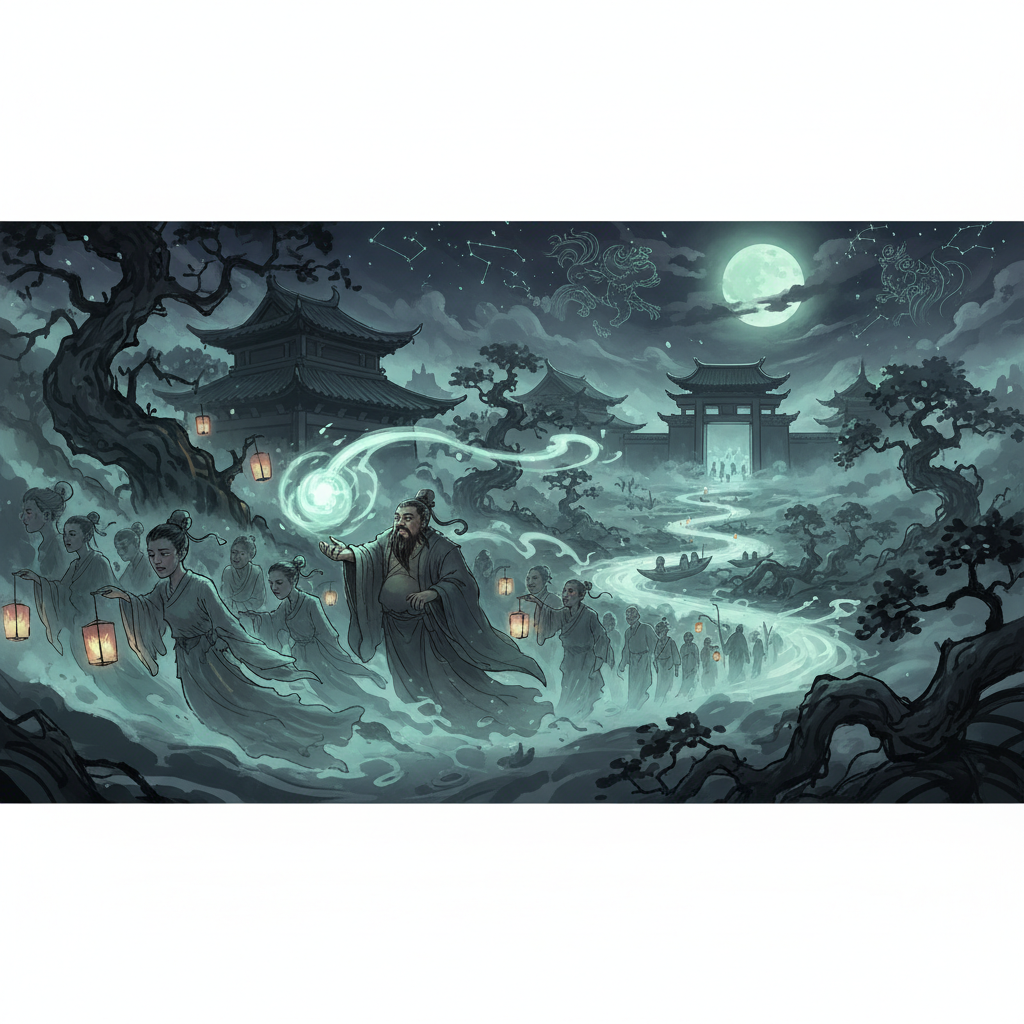
Introduction to Chinese Supernatural Folklore
Chinese supernatural folklore is a rich tapestry woven from centuries of cultural, spiritual, and historical threads. Ghosts, spirits, and beliefs about the afterlife occupy a significant place in the daily lives and cultural practices of many Chinese people. From ancient tales chronicling encounters with the otherworldly to rituals performed to honor ancestors, these beliefs inform both the individual and collective psyche of Chinese society.
Historical Context: Roots of Folklore
The beliefs surrounding ghosts and spirits in China have their origins in ancient traditions such as Confucianism, Taoism, and Buddhism. These philosophies emphasize the interconnectedness of life and death, advocating for reverence towards ancestors and the spiritual realms. Historical texts, including the "Shijing" (Classic of Poetry) and works from notable philosophers, hint at early concepts of an afterlife, promoting the idea that one's actions in this life influence their fate in the next.
The Han Dynasty (206 BCE – 220 CE) served as a crucial period for deepening these beliefs, with the emergence of popular literature and supernatural tales, such as the "Investiture of the Gods" and "Strange Stories from a Chinese Studio." These texts popularized the notion of wandering souls and the moral implications of one’s deeds, setting the stage for a rich folklore tapestry that persists to this day.
The Concept of Ghosts in Chinese Culture
In Chinese culture, ghosts, or "gui" (鬼), are often viewed as the spirits of those who have passed away but are unable to find peace. This inability to transition into the afterlife may stem from unfulfilled obligations, unresolved grievances, or improper funerary practices. Classical literature tells stories of "hungry ghosts" who roam the earth, seeking gratification or vengeance.
Conversely, ancestors are regarded as highly spiritual entities who provide guidance and protection to their living descendants. This dichotomy illustrates a complex relationship with the supernatural, highlighting both the fear and reverence that intertwine in the understanding of ghosts. Rituals, such as the Qingming Festival, emphasize the importance of honoring these spirits. Families visit graves, clean tombstones, and make offerings, reinforcing their connection to the past.
Spirit World vs. Material World: A Cultural Belief System
The Chinese belief system posits a vibrant spirit world that exists parallel to the material world. This duality informs many cultural practices, such as ghost festivals and exorcisms. During festivals like the Hungry Ghost Festival, which falls on the 15th day of the seventh lunar month, the living prepare feasts and burn offerings to appease wandering spirits, ensuring their ancestors' comfort in the afterlife.
The concept of the afterlife in Chinese belief systems is not monolithic; different regions and communities retain unique interpretations. For instance, influences from Buddhism introduce variations like reincarnation, while local traditions might emphasize different deities or spirits. Together, these aspects create a multifaceted understanding of life after death that is intrinsically tied to cultural identity and practices.
The Role of Exorcism and Spiritual Protection
Exorcism remains an important practice in Chinese culture, particularly for those who believe they may be plagued by malevolent spirits. Rituals, often led by Taoist priests, involve chanting, offerings, and ceremonial objects designed to ward off negativity and bring peace to afflicted individuals. These rites serve both a spiritual function and social purpose, allowing communities to come together to confront unexplained misfortunes or suffering.
Likewise, everyday practices include the use of talismans, sacred texts, and specialized amulets that give individuals a sense of security against the supernatural. Feng Shui also plays a role in this domain, as it governs the arrangement of space to enhance positive energy and minimize the effects of restless spirits.
Conclusion: The Enduring Legacy of Chinese Supernatural Folklore
The perseverance of Chinese supernatural folklore speaks volumes about its cultural significance. Beliefs surrounding ghosts, spirits, and the afterlife continue to shape social practices and individual identities. As globalization and modernization take hold, these traditional beliefs may adapt and evolve, yet their emotional and historical resonance endures. Thus, the exploration of Chinese supernatural folklore reveals not only rich narratives of the unseen but also profound insights into the values, fears, and hopes of a people deeply connected to their roots. This ongoing dialogue with the awesome and the unknown ensures that the spirits of the past remain an integral part of Chinese cultural heritage for generations to come.