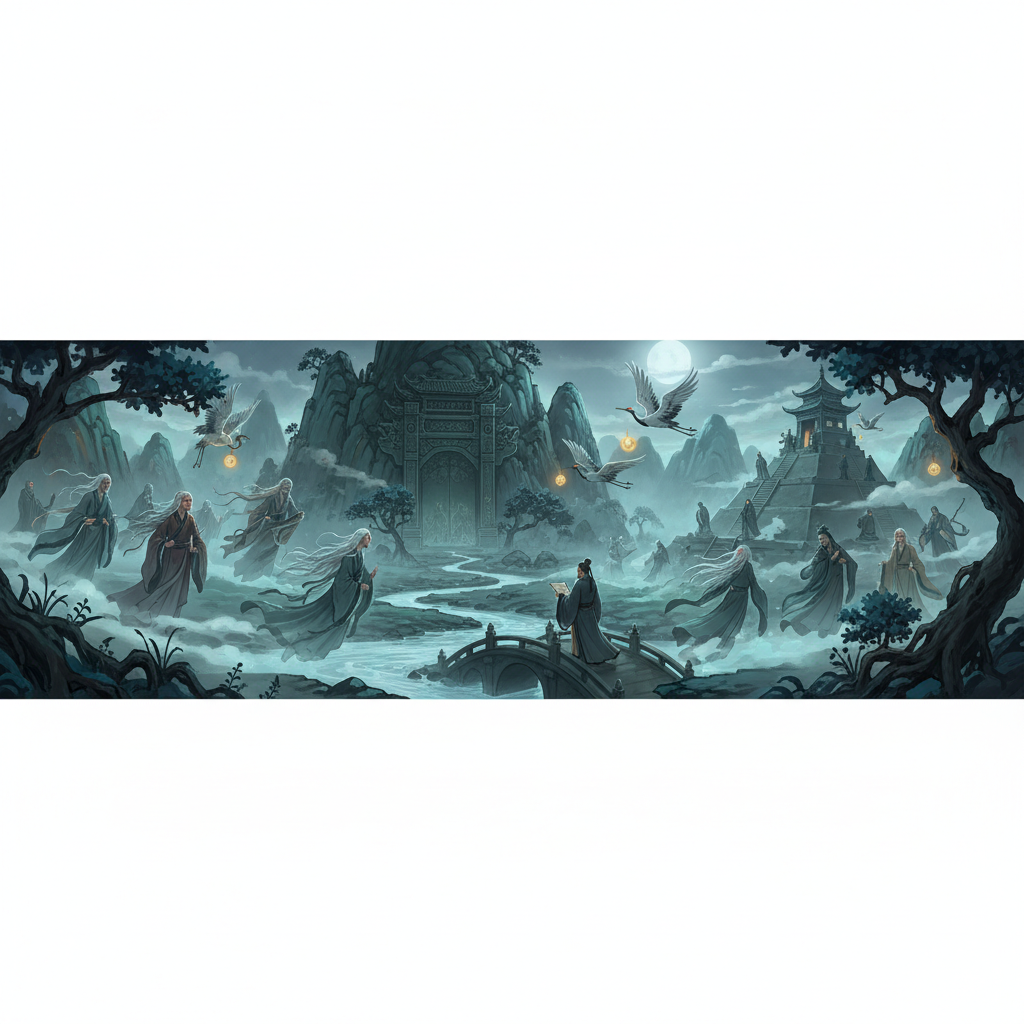
The Rich Tapestry of Chinese Supernatural Folklore
Chinese supernatural folklore is a vibrant blend of ancient beliefs, cultural traditions, and haunting tales. These stories often feature elements of the spirit world, including ghosts, spirits, and various concepts surrounding the afterlife. Delving into this fascinating realm offers a glimpse into the values and fears that have shaped Chinese culture throughout history.
Historical Context: Ancient Beliefs and Practices
Chinese supernatural beliefs can be traced back thousands of years, deeply embedded in the country's early traditions. Confucianism, Taoism, and Buddhism significantly influenced these beliefs, each contributing unique perspectives on the spirit world and the afterlife.
In ancient China, the concept of "jing" (spirit) and "gui" (ghost) formed the foundation of supernatural understanding. Ancestral worship was prevalent, with families honoring their forebears to ensure peace and prosperity. This tradition reflected the importance of familial ties and respect for one’s heritage.
As these religious philosophies evolved, so too did the narratives surrounding the supernatural. Tales of spirits and ghosts emerged, depicting their roles in human life and the moral lessons they imparted. For instance, the ancient text "Shan Hai Jing" (The Classic of Mountains and Seas) detailed various supernatural entities, highlighting early attempts to categorize the relationship between humans and the spirit realm.
Understanding Ghosts: The Duality of Life and Death
Ghosts, known as "gui," occupy a central role in Chinese supernatural folklore. They are often portrayed as restless spirits of the deceased who have not found peace. The belief is that a soul may linger due to unresolved issues, forgotten rituals, or improper burials, leading to misfortune for the living.
Unlike the Western portrayal of ghosts as malevolent entities, many Chinese ghosts are seen as complex beings, embodying both benevolence and malevolence. The famous tale of "The Butterfly Lovers" illustrates this complexity. In this story, the spirits of the star-crossed lovers transform into butterflies after their tragic death, symbolizing the enduring power of love even beyond the grave.
This duality plays a crucial role in afterlife beliefs, where the line between life and death is often blurred. It is believed that souls must journey through various realms, facing trials before they can ascend to heaven or find peace in the underworld. The Chinese afterlife is conceptualized not as a singular destination but as a multi-layered experience shaped by one's life choices.
Spirits in Everyday Life: Rituals and Festivals
Spirits are woven into the fabric of daily life in Chinese culture, manifesting through various rituals, festivals, and practices aimed at appeasing or invoking them. The Qingming Festival, or Tomb-Sweeping Day, is a poignant example. Families gather to clean graves, make offerings, and pray for ancestors, reaffirming the vital connection between the living and the dead.
Another notable event is the Hungry Ghost Festival, during which families placate the spirits of deceased ancestors by making food offerings. This festival underscores the belief that during this month, spirits roam the earth, necessitating rituals to ensure their comfort and prevent them from causing harm to the living.
These cultural practices highlight the significance of community and continuity in honoring the past. They also serve to bring families together, reinforcing bonds and shared values across generations.
The Role of Exorcisms and Spiritual Cleansing
In Chinese supernatural folklore, exorcisms, or "zhuifa," are significant in mitigating the influence of malevolent spirits. This practice is often performed by spiritual practitioners known as "fangshi," who possess the necessary skills to communicate with and manipulate the spirit world.
Various methods may be employed, including the use of talismans, incantations, and ritual offerings. The goal is to cleanse spaces, protect individuals, and restore harmony. This reflects a belief that maintaining balance between the physical and spiritual worlds is crucial for peace and prosperity.
Modern Interpretations: Ghosts in Contemporary Culture
In recent years, the fascination with ghosts and spirits has extended into modern Chinese literature, film, and art. The richness of these supernatural tales continues to inspire contemporary creators, leading to an increased interest in traditional folklore. Blockbuster films such as "The Eye" and popular novels exploring themes of ghostly encounters and spiritual journeys connect with younger audiences, reviving interest in these age-old beliefs.
Additionally, the fusion of traditional beliefs with modern societal issues addresses themes such as loss, longing, and the search for identity in a rapidly changing China. This blend of the ancient and contemporary offers a unique lens through which to examine the evolving nature of Chinese culture and its enduring connection to the supernatural world.
Conclusion: The Enduring Legacy of Chinese Supernatural Folklore
Chinese supernatural folklore, filled with ghosts, spirits, and elaborate beliefs about the afterlife, continues to shape cultural identity and social practices. These narratives not only provide insights into historical values and fears but also inspire contemporary expressions in literature and media. As the world evolves, the profound legacy of these stories remains a testament to humanity's timeless curiosity about death and the mysteries that lie beyond.