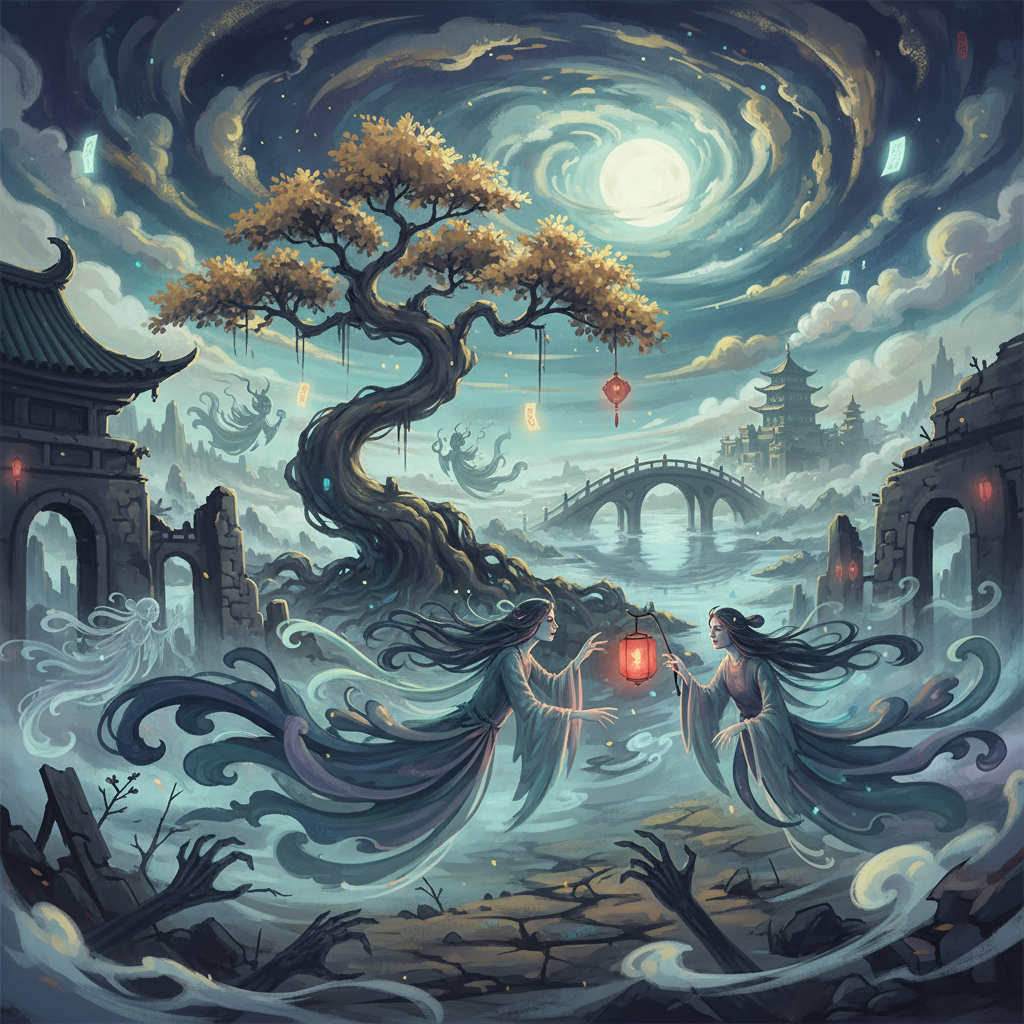
The Rich Tapestry of Chinese Supernatural Folklore
Chinese supernatural folklore encompasses a vast array of beliefs that have been passed down through generations, intricately blending myth, spirituality, and traditional practices. With roots that can be traced back thousands of years, these beliefs center around ghosts, spirits, and concepts of the afterlife, providing crucial insights into the cultural psyche of the Chinese people. Understanding this folklore offers a deeper appreciation of Chinese culture, its values, and its views on life and death.
Historical Context: Ancestor Worship and Beyond
The foundation of Chinese supernatural beliefs primarily lies in ancestor worship, a practice deeply ingrained in Confucian values. This tradition holds that ancestors can influence the fortunes of their living descendants, thereby necessitating rituals and offerings to appease and honor them. Historically, these beliefs have given rise to a complex understanding of the afterlife, where the dead continue to exist within their families' lives.
As Buddhism and Taoism integrated into Chinese society, they introduced unique views of ghosts and the afterlife, enriching the existing framework. Taoism, in particular, emphasizes harmony between the physical and spiritual worlds and provides methods for dealing with malevolent spirits. Conversely, Buddhist teachings inform a more structured view of karma and reincarnation, shaping how spirits are perceived and treated within the cultural narrative.
Ghosts in Chinese Folklore: Types and Meanings
Chinese folklore delineates several categories of ghosts, each with specific traits and histories. The "Hungry Ghost" is one of the most famous, characterized by insatiable hunger and a desperate need for earthly recognition. Unlike benevolent spirits, these ghosts are believed to wander aimlessly, seeking offerings to alleviate their suffering—a concept vividly celebrated during the Ghost Festival when families create altars and prepare food to honor these restless entities.
Another notable figure is "The Widow Ghost," often depicted in ghost stories as vengeful female spirits seeking justice for unresolved wrongs. These tales are particularly reflective of societal attitudes towards gender, morality, and retribution, illustrating how historical injustices manifest in folklore. Such ghost narratives not only provide entertainment but also serve as cautionary tales steeped in moral lessons.
The Role of Spirits in Everyday Life
In contrast to ghosts, spirits in Chinese folklore can embody positive forces. "Shen," or benevolent spirits, are often invoked in daily practices and rituals. These spirits can inhabit homes, landscapes, and even objects, influencing everything from fortune to health. "Feng Shui," the ancient art of placement and orientation, is often utilized to harness the good influence of these spirits, demonstrating how these beliefs permeate even contemporary environments.
Household deities, such as the "Kitchen God," play essential roles in overseeing family affairs. Before the Lunar New Year, families traditionally offer sacrificial meals to the Kitchen God to ensure a prosperous year ahead. This reflects an ongoing relationship with the unseen; the living maintain an interdependent connection with spiritual forces that embody both help and hindrance.
Life After Death: Diverse Beliefs and Rituals
Chinese beliefs regarding the afterlife are manifold, reflecting a culture rich in diversity. The concept of "Yin" and "Yang" plays a pivotal role, where the balance of these two forces determines the spiritual journey after death. Most Chinese traditions support the notion of an afterlife where souls are judged and can either enjoy peace or face rebirth based on their earthly deeds.
One prevalent belief is in "Taoist afterlife" concepts, which posit that souls travel to realms governed by various gods and are subjected to a series of tests or judgments. Rituals like funerals and memorials are essential for ensuring a successful transition, showcasing the importance of proper rites. Such practices not only emphasize respect for the deceased but also bolster the living's peace of mind regarding their mortality.
Conclusion: The Cultural Significance of Chinese Supernatural Folklore
Chinese supernatural folklore, with its rich narratives of ghosts, spirits, and beliefs about the afterlife, offers profound cultural insights. These beliefs shape social norms and reflect the values of respect, memory, and moral conduct. Engaging with this folklore not only enhances understanding of Chinese traditions but also reveals universal themes of human experience, such as life, death, and the quest for meaning beyond the physical world.
Whether through engaging stories or time-honored practices, the supernatural folklore of China continues to thrive, influencing the lives of many and reminding them of the delicate balance between this world and the next. As modern society evolves, the enduring legacy of these beliefs ensures that the conversation about spirituality and the afterlife remains relevant, deeply woven into the fabric of culture and identity.